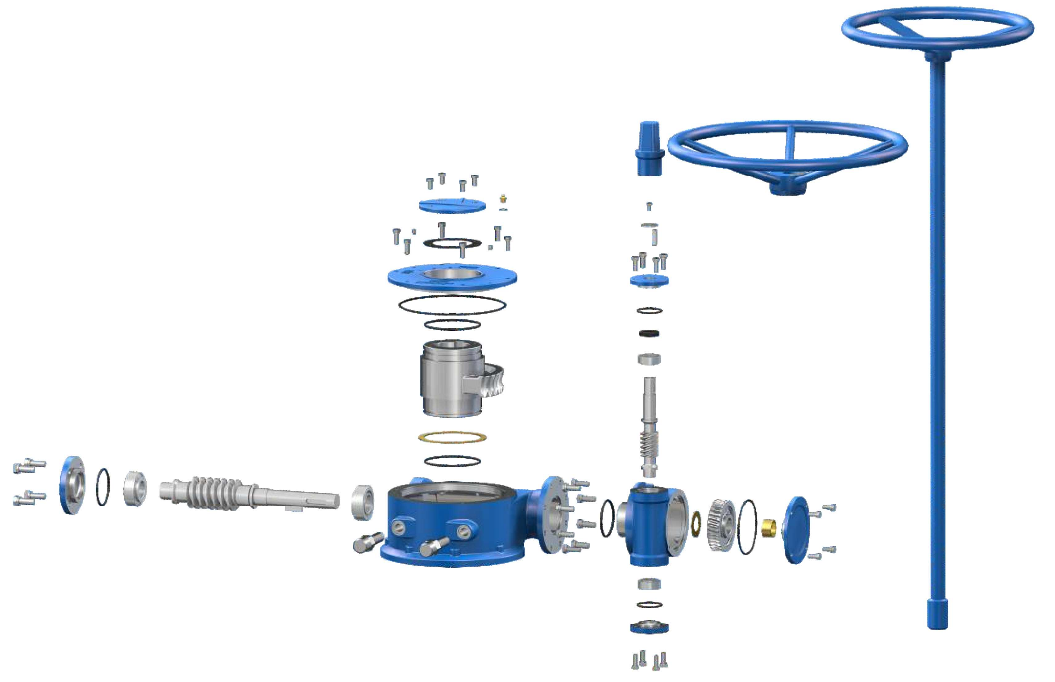
STARD GEARS Water Treatment Valve Gearbox Solutions for Reliable Manual Valve Operation
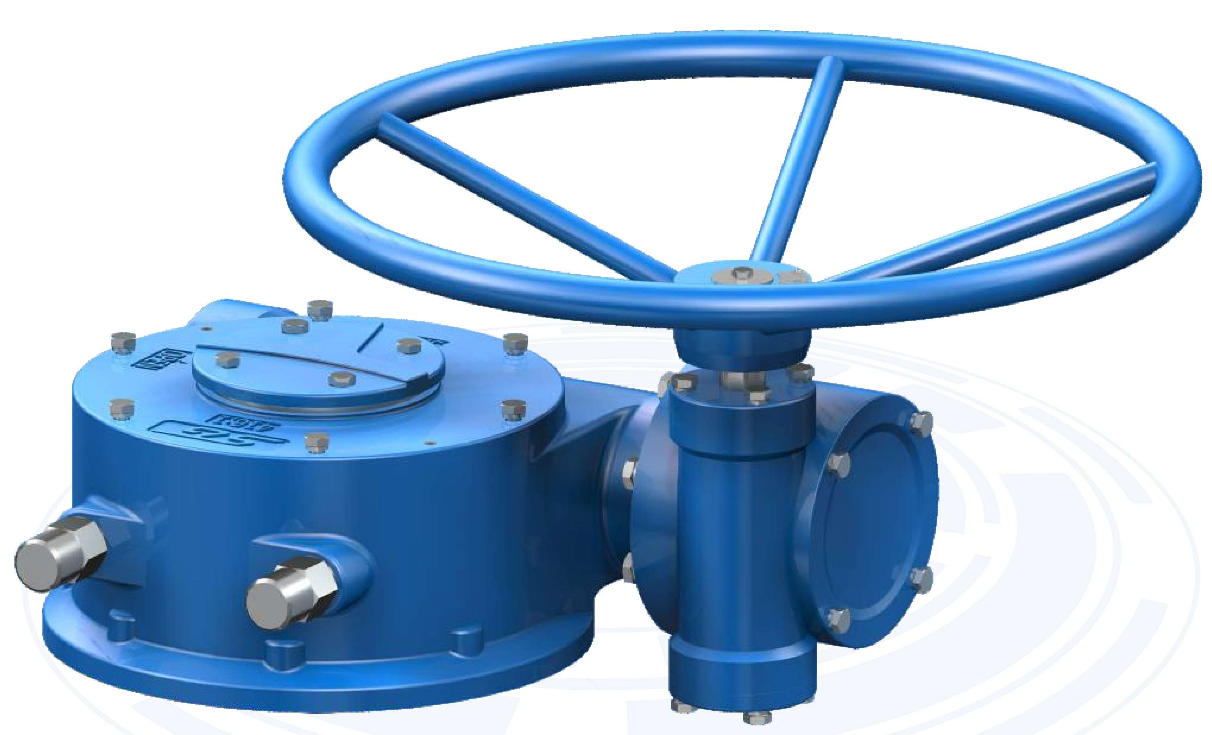
SUZHOU, JIANGSU, CHINA, August 28, 2026 /EINPresswire.com/ -- STARD GEARS provides specialized Water Treatment Valve Gearbox solutions designed to connect demanding municipal water applications with the SDQ underground pipe gearbox series, delivering reliable manual operation for buried butterfly and ball valves through a 1,500–15,000 Nm output range, a 182:1–780:1 gear ratio, and versatile handwheel or T-stem controls. While these gear operators establish the essential mechanical foundation for managing underground valves, specific water treatment projects still require engineering verification of protective coatings, corrosion resistance standards, and precise stem extension configurations to ensure operational reliability in challenging subterranean environments.
Water Treatment Valve Gearbox Selection Must Reflect Buried Valve Access
STARD GEARS maintains a portfolio of industrial valve control products extending into the water sector, where the SDQ series is engineered for underground networks. Selecting the correct equipment means evaluating the physical constraints of operating large buried butterfly and ball valves from either the surface or within restricted-access chambers. With six gearbox models covering an output range of 1,500 to 15,000 Nm and gear ratios from 182:1 to 780:1, process engineers can match the manual operator to the maximum valve torque while keeping input force within ergonomic limits. The input stage on these heavy-duty units can be adjusted by 90 degrees, and buyers can specify either a side-mounted handwheel or a top-actuated T-stem interface, accommodating complex chamber layouts, extension rod requirements, and constrained surface operation. By focusing on the SDQ series designed for the municipal water industry, procurement teams can establish a factual boundary for evaluating manual operation choices.
Torque, Stem Size and ISO Connection Define the Correct SDQ Model
The foundation of a reliable STARD GEARS manual override setup lies in preventing mechanical mismatches by aligning the chosen SDQ model with the valve's maximum operating torque, physical stem dimensions, and standardized mounting flange. Specifications for the SDQ series cover maximum valve stem diameters ranging from approximately 38 to 125 mm, alongside standard ISO 5211 connections up to massive F30/F35 interfaces. Because the internal gear ratio and mechanical transmission efficiency dictate the required manual input force and total handwheel turns needed for a full stroke, high-torque isolation applications require careful assessment of emergency operation times and physical accessibility. Furthermore, the gearbox provides a standard 0–90° stroke combined with an adjustable ±5° range for precise end-position calibration in the field, ensuring mechanical travel stops function in harmony with the valve's internal sealing positions. Together, stem limits of 38–125 mm and standard ISO connections jointly define the engineering boundaries for selecting the right operator for underground isolation tasks.
Materials and Environmental Options Support Underground Service
Municipal water treatment applications and underground pipeline installations present a demanding combination of constant moisture, potential seasonal submersion, corrosive soil conditions, and extended periods of static storage, demanding a highly resilient material strategy. The standard SDQ gearbox construction features a ductile iron housing paired with a wear-resistant ductile iron worm wheel, a protected steel input shaft, and robust NBR sealing, with the input shaft and worm gear integrated into a single solid component to maximize structural strength. When standard baseline protection is insufficient for aggressive buried conditions, the series offers optional engineered upgrades, including IP68 hermetic sealing for continuous immersion, extended temperature ratings from -46°C up to 200°C, high-strength aluminum bronze worm wheels, and corrosion-proof stainless steel input shafts. Beyond the gearbox assembly itself, comprehensive water treatment project planning must clearly define required external surface coatings, precise burial depths, extension rod materials, and long-term maintenance intervals. Relying on the baseline ductile iron components gives procurement teams a reliable starting point for defining environmental protection specifications.
Handwheel or T-Stem Operation Must Fit the Maintenance Workflow
The long-term reliability of manual valve operation depends on ergonomic accessibility, mechanical stability of the extension structure, clear visual end-position indication, and practical feasibility of routine preventative maintenance. The ability to adjust the input stage by 90 degrees helps installers navigate around parallel pipes or restrictive concrete chamber walls, while the choice between a standard handwheel and a specialized T-stem addresses different on-site operational preferences and surface access constraints. Heavy-duty mechanical travel stops and integrated visual position indicators are essential for confirming fully open or fully closed states from a distance, but dark underground environments also necessitate highly visible directional markings. Because critical isolation valves may remain static for years, facility managers should schedule low-frequency, full-stroke cycling alongside regular preventative checks of external fastener tightness, internal seal integrity, and gearbox lubrication status. The availability of handwheel and T-stem options establishes the operational capability range, while position indicators and mechanical limits firmly define safe usage conditions.
Buried Service Needs Corrosion and Extension Details Beyond Torque
Burial depth, extension-rod geometry, corrosion-protection system, and environmental rating must be defined as project-specific engineering inputs in addition to gearbox torque. The 90-degree input-stage adjustment helps the SDQ mechanism adapt to difficult approach angles, but it does not replace accurate installation-depth measurements, stem-extension calculations, or a ground-level operating-interface drawing. These site dimensions and protection requirements should therefore be fixed in the project specification before release for manufacture, while the SDQ's known 90-degree input adjustment remains the mechanical basis for access planning.
SDQ Selection Ends with an Underground Access Drawing
Finalizing a robust water treatment valve operation strategy requires carefully consolidating the chosen SDQ gearbox model, calculated valve torque, required ergonomic input direction, selected T-stem or handwheel interface, and physical underground access methodology into a comprehensive, approved installation drawing. While the municipal water application context and proven underground structural design of the SDQ series provide a strong foundation for the initial engineering proposal, actual site-specific environmental protection levels, custom extension rod dimensions, and strict anti-corrosion requirements must be explicitly detailed and verified within the final project blueprints. To confirm these demanding specifications, municipal water utility teams, EPC pipeline contractors, and procurement engineers can contact the manufacturer directly to submit their specific concrete chamber layouts, exact burial depth data, stem extension requirements, and preferred surface operation methods for a comprehensive engineering review.
For more information on sizing, protecting, and configuring heavy-duty manual gear operators for your next critical underground municipal pipeline project, visit https://www.stard-gears.com/.
Water Treatment Valve Gearbox Selection Must Reflect Buried Valve Access
STARD GEARS maintains a portfolio of industrial valve control products extending into the water sector, where the SDQ series is engineered for underground networks. Selecting the correct equipment means evaluating the physical constraints of operating large buried butterfly and ball valves from either the surface or within restricted-access chambers. With six gearbox models covering an output range of 1,500 to 15,000 Nm and gear ratios from 182:1 to 780:1, process engineers can match the manual operator to the maximum valve torque while keeping input force within ergonomic limits. The input stage on these heavy-duty units can be adjusted by 90 degrees, and buyers can specify either a side-mounted handwheel or a top-actuated T-stem interface, accommodating complex chamber layouts, extension rod requirements, and constrained surface operation. By focusing on the SDQ series designed for the municipal water industry, procurement teams can establish a factual boundary for evaluating manual operation choices.
Torque, Stem Size and ISO Connection Define the Correct SDQ Model
The foundation of a reliable STARD GEARS manual override setup lies in preventing mechanical mismatches by aligning the chosen SDQ model with the valve's maximum operating torque, physical stem dimensions, and standardized mounting flange. Specifications for the SDQ series cover maximum valve stem diameters ranging from approximately 38 to 125 mm, alongside standard ISO 5211 connections up to massive F30/F35 interfaces. Because the internal gear ratio and mechanical transmission efficiency dictate the required manual input force and total handwheel turns needed for a full stroke, high-torque isolation applications require careful assessment of emergency operation times and physical accessibility. Furthermore, the gearbox provides a standard 0–90° stroke combined with an adjustable ±5° range for precise end-position calibration in the field, ensuring mechanical travel stops function in harmony with the valve's internal sealing positions. Together, stem limits of 38–125 mm and standard ISO connections jointly define the engineering boundaries for selecting the right operator for underground isolation tasks.
Materials and Environmental Options Support Underground Service
Municipal water treatment applications and underground pipeline installations present a demanding combination of constant moisture, potential seasonal submersion, corrosive soil conditions, and extended periods of static storage, demanding a highly resilient material strategy. The standard SDQ gearbox construction features a ductile iron housing paired with a wear-resistant ductile iron worm wheel, a protected steel input shaft, and robust NBR sealing, with the input shaft and worm gear integrated into a single solid component to maximize structural strength. When standard baseline protection is insufficient for aggressive buried conditions, the series offers optional engineered upgrades, including IP68 hermetic sealing for continuous immersion, extended temperature ratings from -46°C up to 200°C, high-strength aluminum bronze worm wheels, and corrosion-proof stainless steel input shafts. Beyond the gearbox assembly itself, comprehensive water treatment project planning must clearly define required external surface coatings, precise burial depths, extension rod materials, and long-term maintenance intervals. Relying on the baseline ductile iron components gives procurement teams a reliable starting point for defining environmental protection specifications.
Handwheel or T-Stem Operation Must Fit the Maintenance Workflow
The long-term reliability of manual valve operation depends on ergonomic accessibility, mechanical stability of the extension structure, clear visual end-position indication, and practical feasibility of routine preventative maintenance. The ability to adjust the input stage by 90 degrees helps installers navigate around parallel pipes or restrictive concrete chamber walls, while the choice between a standard handwheel and a specialized T-stem addresses different on-site operational preferences and surface access constraints. Heavy-duty mechanical travel stops and integrated visual position indicators are essential for confirming fully open or fully closed states from a distance, but dark underground environments also necessitate highly visible directional markings. Because critical isolation valves may remain static for years, facility managers should schedule low-frequency, full-stroke cycling alongside regular preventative checks of external fastener tightness, internal seal integrity, and gearbox lubrication status. The availability of handwheel and T-stem options establishes the operational capability range, while position indicators and mechanical limits firmly define safe usage conditions.
Buried Service Needs Corrosion and Extension Details Beyond Torque
Burial depth, extension-rod geometry, corrosion-protection system, and environmental rating must be defined as project-specific engineering inputs in addition to gearbox torque. The 90-degree input-stage adjustment helps the SDQ mechanism adapt to difficult approach angles, but it does not replace accurate installation-depth measurements, stem-extension calculations, or a ground-level operating-interface drawing. These site dimensions and protection requirements should therefore be fixed in the project specification before release for manufacture, while the SDQ's known 90-degree input adjustment remains the mechanical basis for access planning.
SDQ Selection Ends with an Underground Access Drawing
Finalizing a robust water treatment valve operation strategy requires carefully consolidating the chosen SDQ gearbox model, calculated valve torque, required ergonomic input direction, selected T-stem or handwheel interface, and physical underground access methodology into a comprehensive, approved installation drawing. While the municipal water application context and proven underground structural design of the SDQ series provide a strong foundation for the initial engineering proposal, actual site-specific environmental protection levels, custom extension rod dimensions, and strict anti-corrosion requirements must be explicitly detailed and verified within the final project blueprints. To confirm these demanding specifications, municipal water utility teams, EPC pipeline contractors, and procurement engineers can contact the manufacturer directly to submit their specific concrete chamber layouts, exact burial depth data, stem extension requirements, and preferred surface operation methods for a comprehensive engineering review.
For more information on sizing, protecting, and configuring heavy-duty manual gear operators for your next critical underground municipal pipeline project, visit https://www.stard-gears.com/.
Suzhou SIP Stard Automation CO.,LTD.
STARD GEARS
email us here
Visit us on social media:
LinkedIn
YouTube
Legal Disclaimer:
EIN Presswire provides this news content "as is" without warranty of any kind. We do not accept any responsibility or liability for the accuracy, content, images, videos, licenses, completeness, legality, or reliability of the information contained in this article. If you have any complaints or copyright issues related to this article, kindly contact the author above.