

High Quality Indoor Playground from China for Shopping Malls by KAIQI With IAAPA Event Highlights
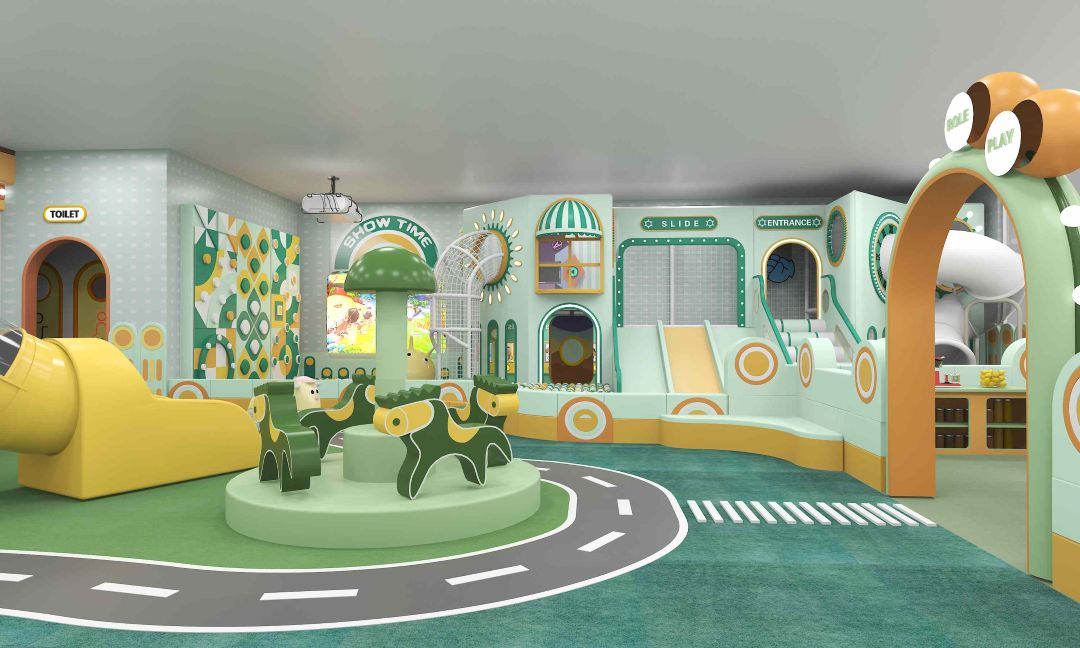
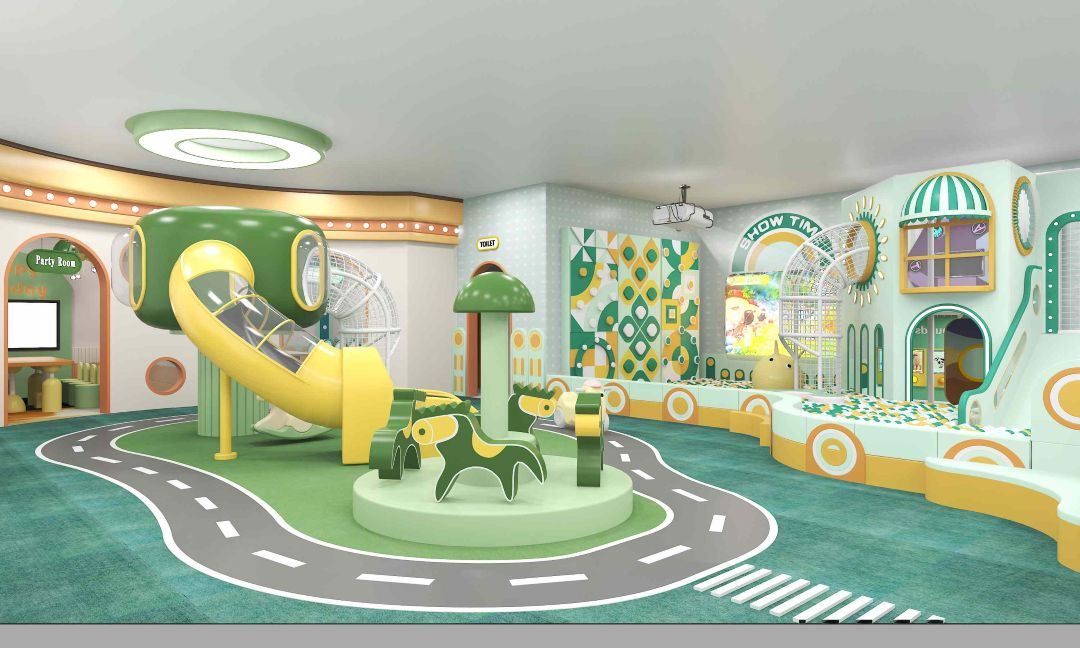
Shopping Mall Planning Starts with Circulation and Visibility
Successful integration of an indoor playground into a shopping mall begins long before equipment is selected. Project planners must first address entrance visibility, the primary circulation loop, parental waiting areas, and supervision sightlines. Because malls depend on organic foot traffic and repeat family visits, the play area must maintain high visibility from main corridors to attract attention while simultaneously preventing bottlenecking at access points and eliminating supervision blind spots.
Furthermore, the floor plan must meticulously coordinate auxiliary spaces such as ticketing counters, locker areas, shoe storage, restroom access, cleaning stations, and emergency evacuation routes. Equipment layout serves these overarching operational flows. Prioritizing circulation and operational visibility ensures that the selected equipment operates efficiently within the constraints of the mall, preventing the play area from disrupting the venue's overall functionality.
Indoor Product Mix Supports Different Dwell-Time Strategies
To cater to diverse visitor habits, mall operators should assemble an indoor playground mix that offers varying levels of physical intensity and dwell times. For short-duration experiences, operators can utilize smaller soft play and interactive sensory units. Conversely, extending guest dwell time requires combining large indoor play structures, trampoline parks, and challenging ninja courses. This layered approach satisfies a broad spectrum of family activities within a single commercial space.
However, selecting this combination of zones relies entirely on the available floor space, ceiling heights, target age demographics, and the established pricing model. Mall operators must avoid the temptation to overcrowd the space with equipment, which degrades circulation, compromises adult supervision, and restricts maintenance access. Structuring the product mix strategically allows malls to tailor the experience to their specific customer retention goals rather than simply deploying a monolithic play structure.
Shopping-Mall and FEC Applications Provide Commercial Context
The manufacturer’s official case portfolio explicitly highlights shopping mall and Family Entertainment Center applications, supplying a proven commercial context for Central Asian projects. The FEC category notably features configurations like indoor obstacle mazes designed specifically for restaurant environments. This demonstrates that indoor playground equipment can successfully merge with dining and retail models, rather than being confined exclusively to standalone amusement parks.
Central Asian developers can apply these cross-sector integration strategies to align their play zones with surrounding food courts, retail shops, and family service spaces. Leveraging clear sightlines and extended dwell times creates a composite destination experience. These mall and FEC application backgrounds assure buyers that the equipment configurations are rooted in authentic commercial operations rather than theoretical designs.
Central Asia Projects Need Local Building and Operating Alignment
Sourcing equipment from China for Central Asian shopping malls requires translating the supplier's custom design inputs to align strictly with local architectural, fire safety, linguistic, climatic, operational, and installation codes. Indoor venues are heavily constrained by ceiling heights, structural load limits, fire evacuation paths, and local material compliance. Consequently, imported equipment must be cross-referenced with local design consultants and site managers during the early planning stages.
Operational alignment further requires establishing fixed opening hours, staffing ratios, cleaning frequencies, spare parts inventory, and maintenance training before installation begins. While the supplier offers an overall solution extending from design and construction to production and installation, the buyer must proactively establish these local parameters to ensure the equipment transitions smoothly from delivery into sustained, compliant operation.
Event-Facing Communication Should Stay Product and Evidence Led
When communicating industry presence—such as highlights from IAAPA events—the narrative must remain strictly anchored to verifiable indoor products, practical applications, specific model data, and project execution capabilities. Using multi-zone FEC combinations, mall scenarios, and structured customization workflows as the technical backbone grounds event participation in authentic procurement value.
As event materials are formalized for public release, any specific dates, locations, booth numbers, displayed exhibits, and participating personnel must perfectly align with approved visual assets, invitations, and official announcements. This strict discipline prevents the mere mention of a global trade show from being improperly substituted for concrete evidence of manufacturing capacity, ensuring that promotional communications remain accurate and trustworthy.
Verified Indoor Capabilities Give Mall Buyers a Practical Next Step
Mall buyers in Central Asia can advance their procurement process by consolidating their site dimensions, target demographics, desired zone combinations, local compliance standards, and industry event research into a formal RFQ. Utilizing the official website to initiate design and quotation discussions ensures that the supplier receives actionable project data.
A complete RFQ should attach floor plans, precise ceiling heights, projected visitor traffic, target age groups, preferred equipment configurations, target opening dates, and any specific local consultant requirements. The product pages present the available options, the company background establishes the supplier's capabilities, and the official contact channels—including sales emails, phone lines, WhatsApp, and online inquiry forms—handle the technical document exchange and commercial term confirmation. This structured approach converts quality aspirations and event highlights into a rigorous project review.
To explore the shopping mall product configurations and submit your customized RFQ, visit the official website at https://www.chinaplayground.com/.
Kaiqi Group Co., Ltd.
KAIQI
email us here
Visit us on social media:
Facebook
YouTube
Legal Disclaimer:
EIN Presswire provides this news content "as is" without warranty of any kind. We do not accept any responsibility or liability for the accuracy, content, images, videos, licenses, completeness, legality, or reliability of the information contained in this article. If you have any complaints or copyright issues related to this article, kindly contact the author above.
